Sometimes fate has a way of showing us exactly where we need to be and what we need to do.
Bruce McCandless grew up on the water, watching up close as his father, Byron, led and commanded destroyers as a rear admiral in the U.S. Navy. The family moved frequently, based on Byron’s naval orders, but always remained close to the ocean. It’s likely that Byron’s life of dedicated service inspired his son, Bruce, to pursue a military career in the U.S. Navy.
After the younger McCandless graduated from the Naval Academy in 1932, he spent a few years at sea, serving aboard several ships, including USS Louisville and USS Indianapolis.
During his time aboard Louisville, McCandless met and married his wife, Sue Bradley, whose father, Navy Captain Willis W. Bradley Jr., received a Medal of Honor for his heroic actions in World War I. The McCandless family would have four children: two girls and two boys. Bruce McCandless II would follow in his father’s footsteps by attending the U.S. Naval Academy before establishing a storied career with the National Aeronautics and Space Administration (NASA).
After completing graduate school in 1939, McCandless started his service on USS San Francisco (CA-38). Operating in the waters near Guadalcanal, one of the smaller Solomon Islands in the South Pacific, McCandless and several other officers, crews, and ships were tasked with supporting the soldiers and Marines fighting on the island. Guadalcanal was strategically important for the Allies, largely due to the Japanese-built airfield. American forces named it Henderson Field after a fallen Marine aviator. But no one could have predicted the chaotic and violent turn of events that would soon break out over the sea.
Turning the Tide
In the inky black night late on Thursday, November 12, 1942, an American naval fleet sailed quietly to meet an approaching Japanese fleet. Then-Lieutenant Commander McCandless stood on the bridge of San Francisco with the ship’s senior officers and others, including Rear Admiral Daniel Callaghan. As the commanding officer of the task force, Callaghan selected San Francisco as his flagship from which to lead the task force of eight destroyers and five cruisers to prevent Japanese reinforcements from coming ashore at Guadalcanal.
“It was a suicide mission—they all knew it,” recalled McCandless’s daughter Rosemary in an interview highlighted in his Museum exhibit. “But they just went after the biggest ships they could.”
Around 1:50 a.m. on Friday, November 13, 1942, a sister ship, USS Atlanta (CL-51) lit up the darkness, unloading a round of gunfire on the enemy’s fleet. About 10 minutes later, as Callaghan ordered San Francisco’s gunners to “get the big ones”, IJN Hiei, a Japanese battleship, fired back, striking San Francisco’s bridge with shells. Callaghan and four staff members were killed instantly. Miraculously, McCandless, though seriously injured with shrapnel wounds to his head and face, was the only remaining officer on the bridge.
Quickly assessing the situation, McCandless contacted the ship’s damage control officer, Lieutenant Commander Herbert Schonland, who told him to take command of the ship. To avoid enemy forces discovering the devastating loss of the admiral over radio communication, 31-year-old McCandless kept the information a secret and bravely gave orders to the entire task force.
“He thought he was going to get court-martialed for doing all of this,” added daughter Rosemary, “but he figured his chances of survival probably weren’t that great anyway, so you might as well give it what you got while you could.”
Even as fires raged across the deck, McCandless took command and led his crew with courage and precision—turning the night’s chaos into victory.
A Courageous Legacy
McCandless’ maritime success was not without severe loss — the U.S. lost six ships and another six received major damage. The San Francisco received 45 shell hits ranging from 5 to 14 inches, and more than 20 spots had burns, holes, and contorted metal, all corrupted by fire. McCandless once said about the aftermath, “The ship had an unearthly atmosphere in it — there was a reluctance to spend any more time below deck than absolutely necessary. Wardroom country smelled of Japanese explosives, incendiaries, fire, burned transom upholstery, salt water, and death.”
Today, the Battle of Guadalcanal remains one of the deadliest naval battles of World War II.
Following the fight, San Francisco returned to San Francisco, California, for repairs. Thousands of proud, grateful citizens stood on the shores of the San Francisco Bay to clap, cheer, and welcome home the war heroes. On December 12, 1942, McCandless received the Medal of Honor aboard San Francisco, surrounded by his crew, and was promoted to commander.
In 1945, he led USS Gregory (DD-802) in an operation off Okinawa. The ship received catastrophic blows from a kamikaze aircraft, but McCandless earned a Silver Star for his gallantry. He continued to serve until 1951 and retired the following year as a rear admiral.
McCandless and his wife, Sue, moved to Long Beach, California, where he earned a master’s degree in 1953. On January 24, 1968, McCandless passed away and was buried at the Naval Academy. His fearless leadership, selfless sacrifice, and fierce devotion to the country live on in his name — and through his family legacy and service.
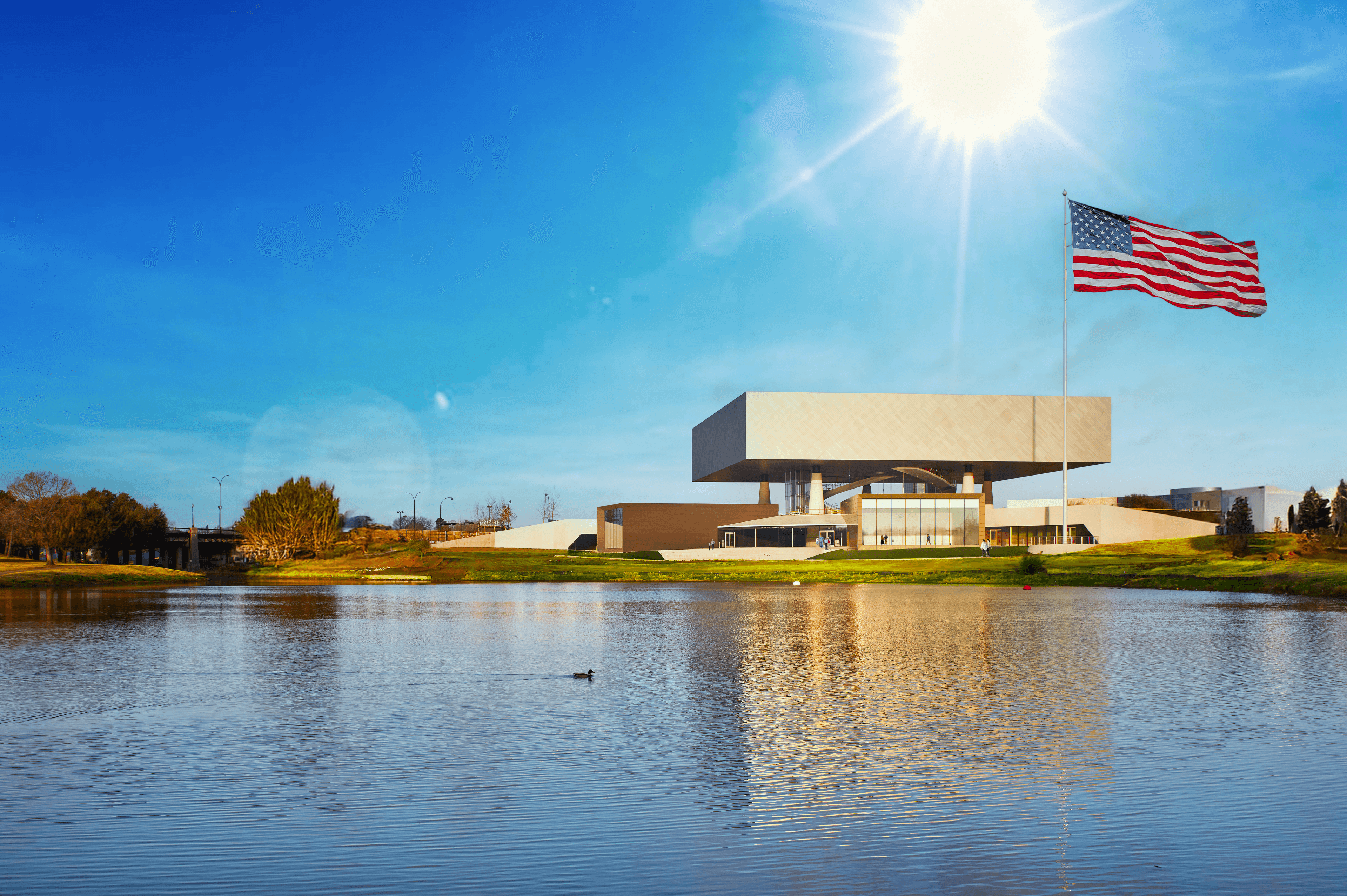
The true story of Bruce McCandless is one of leadership, resilience, and quiet strength to do what’s right when it matters most. Today, visitors can step into the story of Bruce McCandless through artifacts, interviews, and exhibits that honor his life and legacy. Experience his courage—and that of every Medal of Honor Recipient—at the National Medal of Honor Museum in Arlington, Texas. Plan your visit today.
Stay Informed with the Latest News
From groundbreaking announcements to exclusive stories, explore more updates from the National Medal of Honor Museum. Browse our latest press releases and articles to stay connected with our mission and milestones.
NMOHMF Thanks Senate National Parks Subcommittee
May 14, 2024
An elite special forces leader: Meet Army MOH Recipient Jose Rodela
Aug 18, 2025
Into the Fire. Out of the Cave. : Meet Army MOH Recipient Gary Beikirch
Aug 18, 2025